

For years, the travel booking journey followed a fairly predictable path. Travelers searched for information on Google, compared options across multiple websites, and ultimately booked through an OTA, an airline’s website, or a travel agency. Today, however, Generation Z and, to a large extent, Millennials are reshaping that behavior. Destination discovery increasingly starts on TikTok, continues through conversations on social media, and often ends with an inquiry, or even a direct booking, via WhatsApp.
For the travel industry, this shift goes far beyond adding new communication channels. It requires understanding a much more dynamic conversion funnel, where inspiration, research, and purchasing happen almost simultaneously. Adapting to this new customer journey can make the difference between winning a booking and losing it to a competitor that responds faster and on the customer’s preferred channel.
The New Digital Traveler Behavior
Generation Z has grown up consuming video-first content and using social media as a search tool. Millennials, while maintaining more diverse online habits, are also increasingly turning to social platforms to discover destinations, hotels, and travel experiences.
Research consistently shows that video content has a much stronger influence on travel decisions than static images. Videos are significantly more effective at inspiring travel, and younger audiences are especially drawn to content created by influencers and digital creators.
At the same time, TikTok has evolved beyond being simply an entertainment platform. Many users now rely on its search function to find recommendations, itineraries, restaurants, and accommodations before even opening a traditional search engine. According to TikTok, a large share of its European users actively search for travel-related content, and many report feeling inspired to visit a destination or purchase a travel product after discovering it on the platform.
This shift has major implications for travel businesses. Ranking well on Google is no longer enough. Companies also need to create content designed for Social SEO, optimizing posts so they can be easily discovered through searches on platforms like TikTok and Instagram using destination names, activities, or specific travel experiences.
From Social SEO to WhatsApp
The customer journey is becoming shorter. A compelling video can spark interest in a destination, and just minutes later that same traveler may be asking about availability through WhatsApp, without ever visiting multiple comparison sites or filling out traditional inquiry forms.
This evolution is driving a far more conversational approach to customer engagement. Travelers expect immediate responses, quick answers to their questions, and a seamless mobile experience. Within this environment, WhatsApp has become an extremely effective channel for handling inquiries, sending personalized quotes, and helping customers complete their bookings while their purchase intent is still high.
For travel agencies, hotels, and tour operators, direct messaging also helps eliminate friction throughout the booking process. Rather than requiring customers to navigate multiple web pages, businesses can answer questions in real time, share payment links, and send booking documents without forcing users to leave the messaging app.
The Power of Nano-Influencers
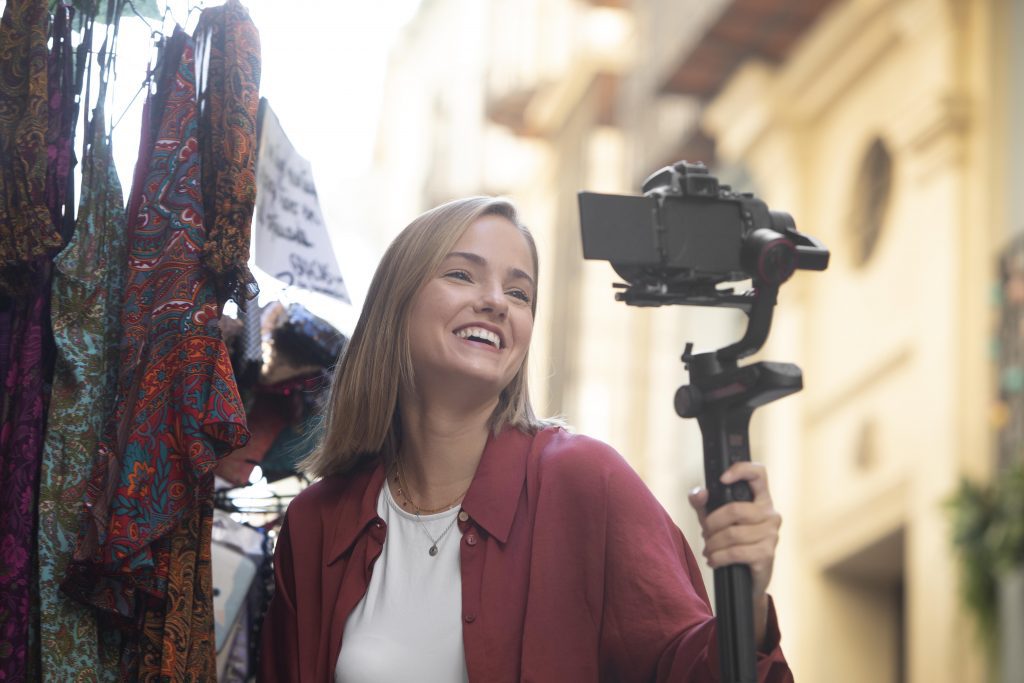
Another significant shift is changing how travelers discover new experiences. Instead of relying exclusively on high-profile influencer campaigns, many travel brands are achieving stronger results by partnering with nano-influencers, creators with smaller but highly engaged communities that place a high level of trust in their recommendations.
The reason is straightforward. When creators recommend a hotel, a food tour, or a weekend getaway based on their own experiences, audiences typically perceive the content as more authentic than traditional advertising. Research also suggests that credibility and audience identification with creators play an important role in influencing Generation Z’s travel decisions.
For travel companies, this creates new opportunities. Rather than investing an entire marketing budget in a single creator with hundreds of thousands of followers, it can be more effective to collaborate with several niche creators specializing in family travel, hiking, city breaks, food tourism, or sustainable travel. In addition to producing more authentic content, this approach often generates a broader range of posts that continue driving visibility across social platforms over a longer period.
A Much Shorter Conversion Funnel
Perhaps the biggest transformation isn’t technological, it’s strategic. The traditional marketing funnel—awareness, consideration, and purchase, is becoming far less linear. Today, a viral video can trigger an immediate inquiry and turn into a confirmed booking just minutes later.
Many travel industry analysts now describe social media as an environment where inspiration, research, and booking all happen within the same experience. Platforms like TikTok are shortening the path between discovering a destination and making a reservation, particularly among younger travelers.
This evolution is forcing travel businesses to rethink their digital strategies. Visibility no longer depends solely on search engine rankings. It also requires producing valuable content optimized for social search, collaborating with trusted creators, and providing fast, personalized service through conversational channels like WhatsApp.
Ultimately, the goal remains the same: to minimize the distance between travel inspiration and booking. Understanding how TikTok, Social SEO, nano-influencers, and direct communication work together will help travel companies meet the expectations of Generation Z and Millennials, two generations that are already shaping the present, and likely the future, of travel marketing.