
Jin Jiang International is one of the largest hotel groups in the world, with a strong presence in Asia and continuous global expansion. While it often operates through its subsidiaries (such as Radisson, Louvre Hotels, or Vienna Hotels), the group’s digital identity and landing page strategy offer an interesting opportunity to explore how such a diverse company manages its online ecosystem. In this analysis, we break down the main aspects of its landing pages, comparing them to best practices in the hotel and airline sectors.
Design and Usability: Between Corporate and Experiential
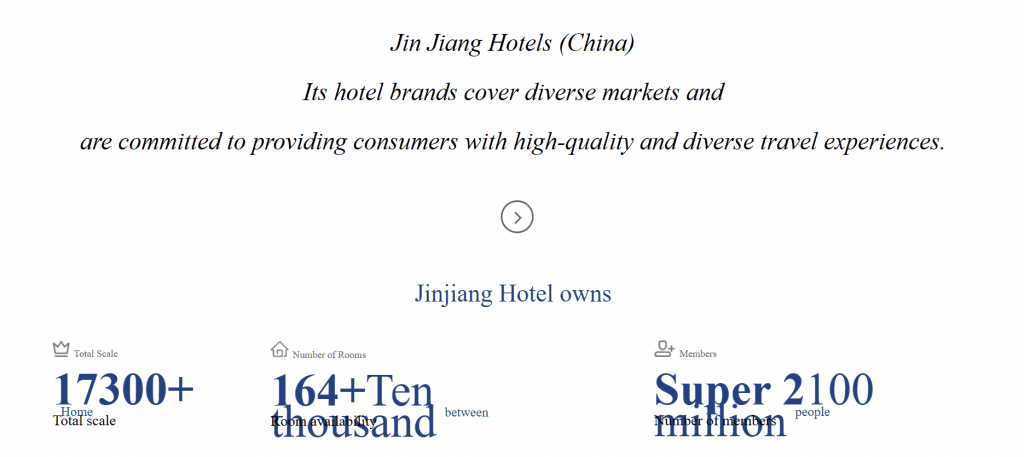
The design of Jin Jiang’s main pages reflects a corporate, sober, and functional approach. The information architecture prioritizes institutional navigation (with links to brands, investors, and HR) over the direct customer experience. This contrasts with hotel brands like Marriott or RIU, which place the booking engine at the core of their design.
In terms of usability, the pages of its subsidiary brands (such as Radisson or Vienna Hotels) show a much stronger user-oriented approach. They feature more visual, intuitive, and conversion-focused interfaces, which highlights the dual strategy of Jin Jiang: corporate at the group level, more experiential at the brand level.
Regarding accessibility, some pages still lack optimal standards (such as sufficient contrast or keyboard navigation), presenting a clear opportunity to improve inclusive user experience.
Conversion Strategies: A Bet on Decentralization
Conversion in the Jin Jiang ecosystem largely depends on its operating brands. For example, Radisson features clear CTAs, prominent offers, and mobile-optimized booking forms. However, when analyzing the institutional website of Jin Jiang International, there are no CTAs encouraging direct booking or destination exploration, which may limit qualified traffic.
In the case of Vienna Hotels or Plateno Group (also under Jin Jiang’s umbrella), there are more direct conversion strategies: pop-ups with discounts for new users, loyalty programs, and segmentation by traveler type.
This fragmented approach can be advantageous by allowing adaptation to different audiences and markets, but it also dilutes the consistency of the parent brand at the digital level.
Storytelling and Visual Content: Strength Lies in the Sub-Brands
Emotional storytelling and immersive visual content are key in the hospitality industry. At Jin Jiang International, brand narrative is focused on business figures, corporate milestones, and acquisitions rather than traveler-oriented stories. There’s no unified narrative that emotionally connects with the audience.
In contrast, brands like Vienna Hotels use warm images, experience-driven videos, and descriptions that appeal to tranquility, relaxation, or modernity depending on the segment. These customer-centric narratives are what truly sustain the group’s positioning in the travel market.
Creating a unified visual and emotional narrative at the group level could strengthen Jin Jiang’s global perception as an innovative and trustworthy leader.
Integration of Social Media and Digital Marketing
At the corporate level, Jin Jiang International’s social media presence is discreet and focused on institutional relations. There is no clear integration with social media campaigns from the main landing page, nor are testimonials, user-generated content, or cross-promotions highlighted.
However, Radisson and Louvre Hotels do implement remarketing strategies, have active tracking pixels, and promote content on Instagram and Facebook with direct links to specific landing pages. User-generated content (UGC) is also present in brands like Vienna Hotels, especially on Asian networks like WeChat or Weibo, with loyalty campaigns and contests.
This fragmentation reinforces the perception that the group operates as a holding of brands with independent digital strategies, which can be confusing for global travelers.
Personalization and Segmentation: Room for Improvement
On Jin Jiang International’s website, there is no apparent personalization strategy based on geolocation, user language, or browsing history. There are no signs of content adapting to the visitor profile, something increasingly common among major hotel chains.
In contrast, pages like Radisson use personalization tools to display location-based offers or highlight loyalty programs. Some of the group’s websites do show different messages depending on the country or device type, but not systematically.
A cross-brand integration of personalization technologies—especially if aligned with Jin Jiang’s data across multiple brands—could significantly increase conversion rates and improve the overall customer experience.
Web Design Trends: Uneven Adoption
The web design of the group’s different brands shows varying degrees of modernization. While Radisson and Vienna Hotels have embraced mobile-first design, long scrolling, microinteractions, and floating menus, the main Jin Jiang site maintains a more traditional and corporate approach, with fixed layout, block menus, and limited responsiveness.
Nevertheless, some landing pages—especially those targeting Chinese users—show signs of modern renewal, such as card-based layouts, light iconography, and storytelling-driven navigation.
To remain competitive, the group should standardize these improvements, adopting a more modern aesthetic and structure across all platforms.
SEO, SEM, and Visibility Evolution
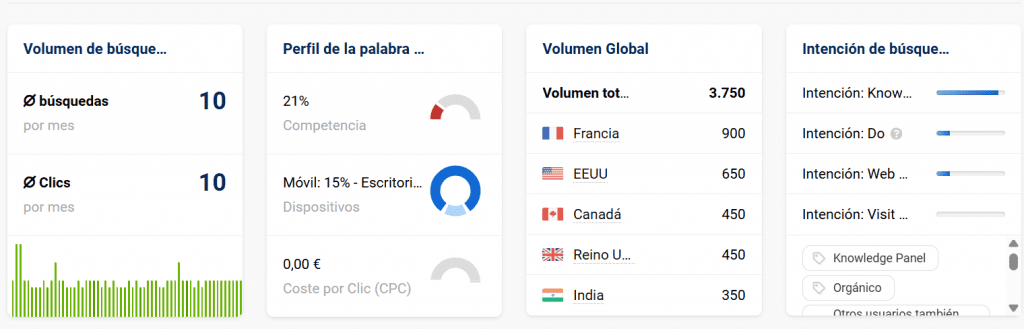
In terms of SEO, Jin Jiang International’s main domain has low visibility outside of China. According to Sistrix, its presence on Western search engines is limited, while brands like Radisson or Louvre Hotels generate most of the traffic and backlinks.
In SEM campaigns, there’s also a disconnect between corporate efforts and local strategies. Some sub-brands invest in long-tail keywords and geo-targeted campaigns, but there’s no unified strategy to boost the group’s authority as a global entity.
The challenge here is twofold: improve the technical structure and SEO content of the parent site, and coordinate SEM efforts to enhance the group’s international perception.
Technological Innovation and Interactive Experiences
Regarding emerging technologies, Jin Jiang International still takes a conservative approach. There are no immersive experiences such as augmented reality or 360º tours, nor are there visible chatbots on the main pages.
Some subsidiary brands have experimented with innovations. Radisson has implemented virtual assistants for quick queries, and Vienna Hotels offers a streamlined mobile check-in process. However, there’s a lack of a unifying proposal that positions the group as a leader in hotel digitalization.
Investing in interactive experiences on the corporate website could boost Jin Jiang’s leadership and attract a new generation of digital travelers.
Conclusions and Opportunities
Jin Jiang International manages a vast digital ecosystem composed of multiple brands, each with its own focus. While this allows effective adaptation to different markets, it also weakens the consistency and strength of the parent brand.
Key opportunities to improve their landing pages include:
- Strengthening the experiential and emotional focus from the corporate website.
- Unifying design and usability standards.
- Implementing cross-brand personalization and storytelling strategies.
- Increasing international SEO presence and coordinating SEM efforts.
- Investing in web innovation to stand out as a digitalization leader.
The combination of a robust structure with an inspiring user experience could position Jin Jiang not only as one of the largest hotel groups in the world but also as one of the most admired in the digital space.