

November means Black Friday travel deals. For companies in the travel industry, this is one of the biggest sales opportunities of the year, and competition is fierce. They concentrate their promotions in a period when consumers are comparing deals, exploring destinations, and making purchase decisions earlier than they otherwise would. Yet when almost every brand is advertising discounts, making an offer stand out becomes increasingly difficult.
In a price-driven campaign, useful information, ideas, and experiences can be key to attracting a visitor and guiding them all the way to a booking. Inspirational content plays a strategic role by helping travelers picture what they could do with that deal.
Beyond the discount
Consumers shopping on Black Friday have not always decided where they want to go. They may be looking for a vacation for the following summer, a winter getaway, or simply a chance to take that trip they have been putting off for months. A promotion sparks their interest, but it does not necessarily answer their questions.
In fact, Expedia Group data shows that inspiration plays an important part in travel decisions. Its 2025 Traveler Value Index, based on a survey of more than 11,000 consumers across 11 markets, reports that over 60% of travelers use social media for inspiration, while 73% say influencer recommendations have influenced their booking decisions.
Travelers need to explore possibilities, compare options, and get a sense of what to expect at their destination. A Black Friday campaign that only displays percentage discounts leaves much of that process unaddressed.
Price always matters, especially in such a competitive campaign, but it is no longer the only selling point. To help people make a decision, a brand needs to offer more than a rate.
Pairing a promotion with content that helps travelers picture the experience will capture their attention. Instead of simply showing how much a room costs, a brand can suggest what to do during a three-day stay, which experiences could round out the trip, or which places are worth visiting from the hotel.
Inspire travelers to book
Content should connect the offer to a specific experience. Appealing destination photos help, but travelers also need context to picture themselves there. A Black Friday campaign could feature a four-day Lisbon itinerary, a Mediterranean cruise with recommended shore excursions at each port, or a week exploring the beaches of Greece.
This approach makes it possible to tailor messages to different types of travelers. Inspiration works best when it speaks to real interests, rather than simply presenting destinations in general terms.

A family may be interested in activities for kids; a couple, in romantic getaways; and a nature lover, in hiking trails or less crowded destinations.
Format matters, too. The study The Science of Wanderlust, published by Expedia Group in October 2025, found that video influences travel decisions for 71% of the travelers surveyed, compared with 24% who cited still images.
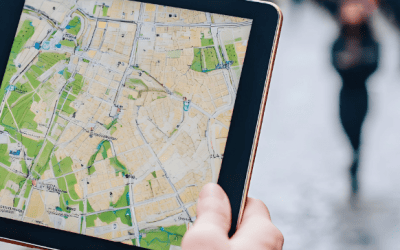
That is why destination videos, interactive maps, visual guides, and content about local experiences work so well alongside promotional creative. A post on what to do during a week in New York, for example, can direct travelers to a flight and hotel deal. The promotion grabs their attention, while the content helps them find reasons to book.
The idea is to connect the two. Someone who discovers a deal on a trip to Japan should be able to easily find information about the cities they could visit and the best way to plan their stay. The easier that transition is, the more likely the brand is to keep them interested.
Fewer doubts, fewer abandoned bookings
One challenge with Black Friday campaigns is that they generate plenty of traffic, but not every visit ends in a booking. A traveler may find an appealing deal and still abandon the process because they are unsure what is included, how much the trip will actually cost, or whether the offer is available for their preferred dates.
In travel, the decision involves more than agreeing to a price. Travelers need to weigh location, schedules, connections, amenities, cancellation policies, and more. If finding that information takes too many additional searches, the purchase loses momentum.
An analysis by McKinsey published in September 2026 on traveler behavior identifies this very challenge. According to the research, half of the travelers surveyed say their biggest frustration is trying to compare trips across different information sources. In addition, 74% return to the same apps or websites several times before making a decision.
These findings reveal something important: reducing booking abandonment also means making it easier to reach a decision. A promotional page should offer more than a price and a booking button. It needs clear product information and direct access to content that answers common questions.
For example, a hotel chain can pair its special rates with a guide to the local area and information about nearby beaches, restaurants, and activities. An airline can add value to its offers with recommendations for making the most of a layover or exploring a city’s main attractions. A travel agency can provide sample itineraries to help travelers compare different options.
The experience should be consistent from the first ad a traveler sees through to the booking page. If the ad promises a food-focused getaway, travelers should find relevant restaurants, markets, and culinary experiences, rather than a generic page that forces them to start over.
It is also worth paying attention to travelers who are not ready to buy yet. Letting them save a trip idea, browse a guide, or receive related recommendations can keep the relationship going without pressuring them to book immediately.
An opportunity before and after booking
A content strategy should not start on Black Friday itself or end when the traveler completes payment. Preparing in advance helps build interest before the campaign begins, while follow-up communication helps maintain the customer relationship.
Before the promotions launch, companies can publish destination guides, seasonal trip ideas, suggestions for family travel, or tips for planning vacations ahead of time. During the campaign, this content can be integrated into newsletters, offer pages, social media, and dedicated landing pages, always linked to products that are available to book.
Another opportunity comes after the booking. A customer who has just booked a flight, a hotel stay, or a cruise still needs to plan the trip. Information about the destination, excursions, places to eat, or transportation can help them prepare and create new opportunities to sell ancillary services.
This is where personalized destination content that is accessible through the company’s digital channels becomes especially valuable. Interactive guides and maps with points of interest can turn a booking confirmation into the start of a richer travel experience.
Ultimately, competing on Black Friday means helping travelers find answers to their questions and picture everything they can enjoy when they reach their destination. A good price may win the click, but a clearly explained trip offer can be what finally persuades the customer to book.