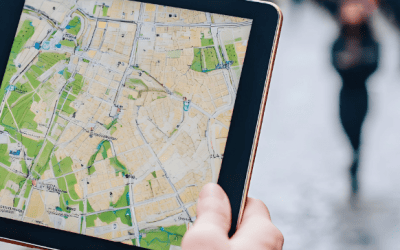


What if part of the solution to overtourism lied in helping every traveler discover what to do, where to go, and when to do it? The concentration of visitors in a few select places and dates poses a growing challenge for tourist destinations: managing demand without compromising the traveler’s experience, the residents’ quality of life, or the local economy.
This issue has both a geographical and a temporal dimension. Specific neighborhoods, monuments, and natural spaces face immense pressure, while other areas with compelling tourism resources receive fewer visitors than they could comfortably host. A similar pattern occurs with seasonality: peak demand periods strain services and infrastructure, whereas off-peak months leave capacity and business opportunities untapped.
The OECD Tourism Trends and Policies 2026 report, published by the OECD in July 2026, identifies the spatial and temporal concentration of tourism activity as a major challenge for destination sustainability. It also highlights the potential of data, digital tools, and artificial intelligence to improve visitor flow management.
The solution requires coordination among government bodies, tourism businesses, and destination management organizations (DMOs). It also demands working with actionable, up-to-date information. Dynamic content, linked to event schedules, visiting conditions, and available alternatives, can help better distribute demand and turn lesser-known spots into appealing options for travelers.
Dynamic Content to Guide Demand
Tourism information influences decisions both before and during a trip. A destination website that always highlights the same places, activities, and recommendations misses the chance to present alternatives when visiting conditions, demand, or available supply change.
Dynamic content allows this information to adapt to variables such as travel dates, location, visitor interests, weather, or cultural programming. Thereby, a travel platform can recommend a visit to a less crowded museum, a tour of a nearby town, or a culinary experience in a neighborhood away from the most congested hotspots.
Consider a traveler looking up activities for a Saturday in a city with a highly crowded historic center. Instead of just pushing the most famous monuments, the website can highlight a temporary exhibition in a different neighborhood, a local market, or a cultural trail in nearby towns. If the suggestion includes operating hours, duration, transportation options, and booking links, the visitor has all the information they need to weigh the alternative.

The key is for these recommendations to be relevant, reliable, and actionable. Promoting a lesser-known location is pointless if it lacks adequate transportation, sufficient amenities, or the capacity to host visitors. The information must reflect the real-time conditions of each destination and be updated as they change.
The European Commission recognizes the potential of digital solutions to provide integrated information on maps, events, experiences, services, infrastructure, as well as safety and sustainability conditions. Its analysis also underscores the importance of managing data and improving data sharing across organizations.
For tourism businesses, this opens up the possibility of enriching destination profiles with structured, updatable information. Tourism content APIs can streamline the integration of points of interest, activities, and practical data across various digital channels. Paired with recommendation algorithms, they help present a more diverse offering without forcing the traveler to juggle multiple sources.
Events as a Catalyst for Dispersion
Events can play a major role in redistributing tourism demand, both geographically and throughout the year. Festivals, exhibitions, sports competitions, traditional markets, and food fairs create compelling reasons to visit places that might not otherwise make it onto a standard itinerary.
Their value skyrockets when integrated into a destination’s promotion and management strategy. A local fair can draw visitors during an off-peak season; a cultural program spread across several municipalities can encourage travel outside the usual circuits. This can also help increase the length of stay if the activities are paired with complementary experiences.
The 2024 OECD Tourism Trends and Policies report highlights diversifying the supply and attracting visitors outside of peak periods as key strategies for spreading the benefits of tourism. It also identifies events as an opportunity to develop destinations and broaden their economic impact.
That said, simply promoting an event doesn’t guarantee a balanced distribution of visitors. If all marketing efforts drive traffic to a single square or venue, the crowding issue can just repeat itself on a smaller scale. It’s crucial to connect the event schedule with nearby offerings, trails, and alternative activities that help spread out the foot traffic—provided the right conditions exist to accommodate them.
This is where integrating tourism content with event calendars becomes especially useful. If a platform knows the dates, location, duration, and access conditions of every activity, it can weave them into personalized itineraries and suggest plans that fit the traveler’s schedule. A local marathon, for example, can be paired with cultural activities for the runners’ companions or visits to nearby towns for those extending their stay.
This strategy demands real-time information and close coordination with event organizers, tourism boards, and local suppliers. Schedule changes, cancellations, or sold-out events must be reflected across all platforms to prevent wasted trips and traveler frustration.
From Recommendations to Destination Management
Smart dispersion requires more than just solid digital recommendations. It requires understanding how visitors are distributed, which areas face the most pressure, what
services are available, and which alternatives can absorb extra demand without degrading local resources.
Coordination between private businesses and destination managers is essential. Government agencies can provide data on access points, restrictions, transit, and sensitive areas; organizers can share event data; and tourism businesses can offer insights into customer interests, search trends, and bookings. With the right data-sharing agreements, these sources can help spot demand spikes and craft coordinated responses.
Measuring results is just as important. Content views, searches for alternative routes, activity bookings, and the breakdown of visits by zone and time slot can reveal whether recommendations are genuinely broadening tourism interest. To gauge the full impact, these metrics must be tied to resident satisfaction, resource conservation, and local economic benefits.
Furthermore, personalization must respect user privacy and avoid decisions based on incomplete data or flawed interpretations. A recommendation can guide a visitor, but it cannot replace actual management measures when a space has hit its operational capacity or needs to restrict access.
Shifting from overtourism to smart visitor dispersion, therefore, requires connecting dynamic content, events, data, and destination management. Tourism businesses can do their part by offering useful alternatives at the right time, while destinations must ensure that those alternatives are both viable and sustainable.
The ultimate goal is a more balanced distribution of tourism opportunities: less strain on saturated hotspots, more visibility for local offerings, and a travel experience better tailored to each person’s needs. To achieve this, technology must serve a shared territorial strategy, backed by reliable information and measurable goals.