


For years, much of the travel industry has measured the success of a trip by the number of places visited. Today, however, more travelers are choosing to spend longer in a single destination, immerse themselves in its culture, engage with local communities, and return home feeling they have experienced something truly authentic.
This trend, known as slow travel, takes center stage in the Expedia Unpack ’26 report, which highlights the growing demand for slower, more immersive journeys that foster a deeper connection with each destination. According to the study, travelers are increasingly seeking experiences that encourage cultural immersion, digital disconnection, and meaningful interactions with local communities, moving away from overcrowded tourist hotspots.
For travel agencies, airlines, and tourism providers, this shift is far more than a passing trend. It presents an opportunity to create higher-value travel products centered on longer stays and unique experiences that are difficult to replicate.
From Sightseeing to Belonging
An experiential journey becomes truly memorable when travelers connect with a destination on a deeper level. Instead of trying to visit five cities in a single week, many now prefer to spend several days in one place, exploring at a relaxed pace, discovering the local cuisine, talking with residents, or taking part in traditional workshops.
This philosophy aligns closely with the concept of slow travel, which encourages slowing down in order to enrich the overall travel experience. It reflects a growing desire to escape overtourism and embrace a more meaningful way of traveling—one where time is no longer a limited resource, but an essential part of the journey itself.
For the travel industry, this behavioral shift has significant implications. Travelers who stay longer in a destination tend to spread their spending across accommodations, restaurants, local businesses, and activities. They are also more likely to value authentic experiences over standardized offerings.
In this context, tourism businesses can differentiate themselves by creating products that combine accommodations, culture, nature, and learning, rather than simply selling transportation or lodging.
Farms Are Becoming Destinations
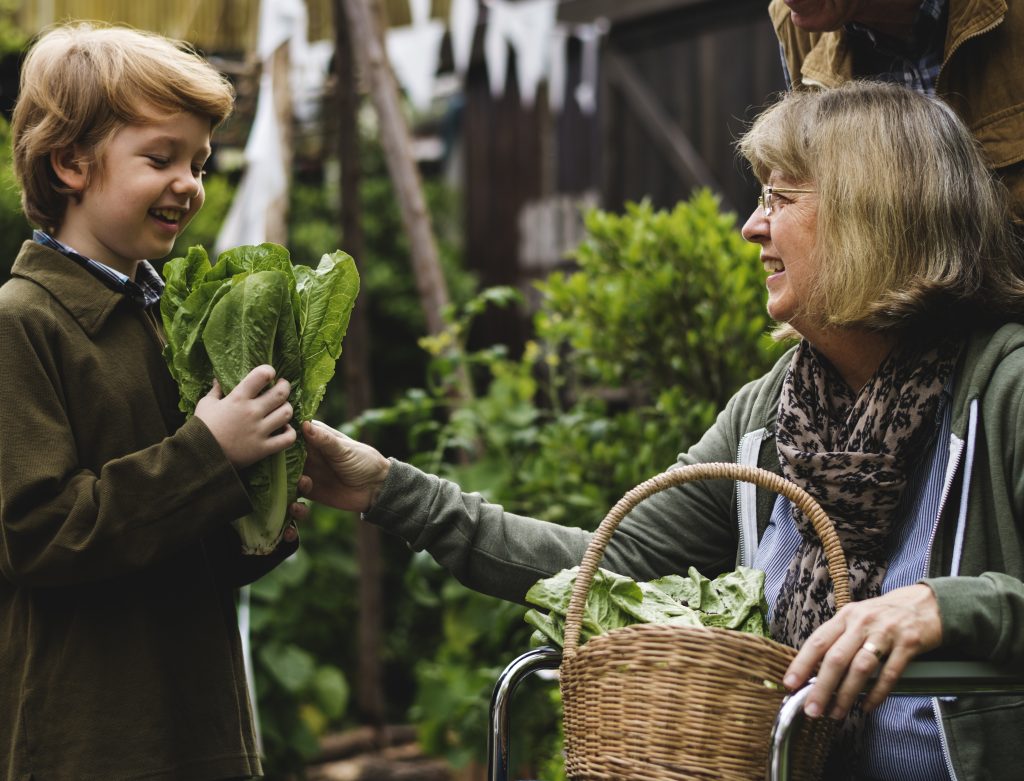
One of the report’s most striking findings is the growing popularity of farm stays. Expedia and Vrbo describe this trend as Farm Charm, reflecting increasing interest in rural accommodations where the surrounding environment is an integral part of the experience.
According to the report, 84% of travelers say they are interested in staying on or near a working farm. In addition, guest reviews mentioning farm stays increased by 300% year over year, highlighting the growing demand for these types of experiences. These findings are based on research conducted by Expedia Group and OnePoll involving 24,000 travelers across 18 countries, combined with data from Expedia Group’s travel platforms.
But the appeal goes far beyond the accommodations themselves. The goal is to experience a different way of life, even if only for a few days. Collecting eggs, feeding animals, hiking scenic trails, tending a garden, stargazing, or simply enjoying the peace and quiet are all part of an experience that allows travelers to disconnect from the pace of everyday life.
This trend also reflects a changing definition of luxury. For many travelers, having time, access to nature, and a sense of tranquility has become just as valuable as exclusive facilities or premium services.
Farm stays also provide an opportunity to diversify tourism offerings in rural destinations, encourage visitors to explore beyond major cities, and generate additional income for local communities.
An Opportunity to Reinvent the Tourism Offering
The rise of slow travel is prompting the travel industry to rethink part of its commercial strategy. If travelers are no longer focused on checking off as many destinations as possible, tourism products must be designed around longer stays, personalization, and stronger connections with each destination.
For travel agencies, this may translate into more flexible itineraries with fewer transfers and a greater emphasis on local experiences. Online travel agencies (OTAs) have the opportunity to showcase distinctive accommodations, resident-led activities, and experiences centered on local culture and nature. Airlines, meanwhile, can benefit from growing demand for secondary or less crowded destinations, particularly when paired with longer stays.
The report also links this evolution to increasing interest in destinations that manage tourism more sustainably through initiatives such as the Smart Travel Health Check, which aims to identify places where travelers can enjoy enriching experiences while avoiding some of the challenges associated with overtourism.
Experiential travel and slow travel are not replacing other ways of traveling, but they are expanding travelers’ expectations. Instead of vacations focused on collecting photos or checking famous landmarks off a list, more people are seeking lasting memories built around people, traditions, and local ways of life.
For tourism businesses, adapting to this trend means developing experiences that deliver cultural immersion, authenticity, and quality time. Helping travelers truly get to know a destination may become one of the industry’s strongest competitive advantages.