


The tourism sector is facing one of the most competitive seasons in recent years. With traveler volumes nearing historic highs, online travel agencies, airlines, and accommodation platforms need to squeeze every bit of efficiency out of their sales channels. In this environment, conversion funnel optimization no longer depends solely on offering the best price, but on eliminating any trace of friction in the user’s buying experience.
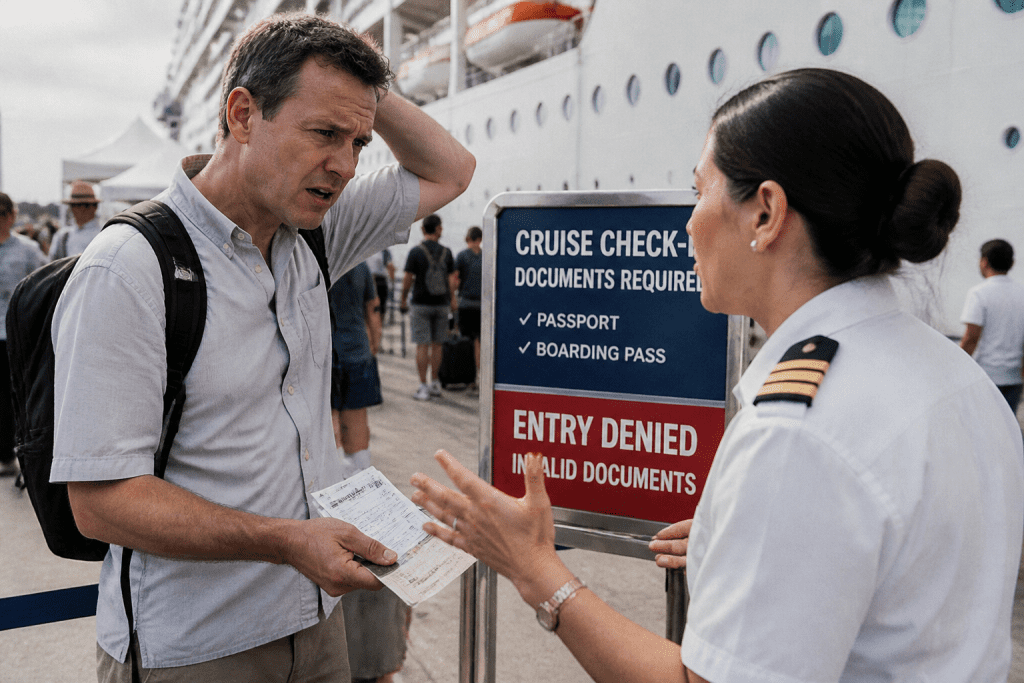
One of the most frequent reasons for abandonment occurs during the final stages of the payment process. The consumer has selected their flights, their room, and is ready to enter their credit card information. However, at the very last moment, a critical question arises: what are the entry requirements for this destination? Do I need a special visa? Does my passport have sufficient validity? When the platform does not answer these questions immediately, the user interrupts the purchase. In this article, we analyze how anticipating documentary information before checkout can radically transform your business results this summer.
The cost of uncertainty
Cart abandonment in the travel industry stands at an average of over 80%. A lack of clear information during booking is one of the main reasons why a potential customer decides to unexpectedly postpone or cancel their purchase.
When a customer doubts whether they meet the regulations to enter a country, they usually open a secondary tab in their browser to consult foreign ministry websites. This temporary abandonment puts the conversion at risk. Upon leaving the controlled sales environment, the session cools down, the customer gets distracted by external notifications, finds competitor offers, or decides to postpone the decision out of fear of making a bureaucratic error that could cost them their vacation money.
International bureaucracy changes constantly, and travelers are well aware of it. Updates to tourist taxes and new electronic authorization systems generate insecurity. If your digital platform decides to ignore this reality and postpones delivering this information until the confirmation email, you will be losing sales to competitors who do commit to information transparency from the very first moment.
Integration into the purchase process
To solve this revenue leak in the digital channel, the performance strategy must focus on providing native solutions within the booking flow itself. It is not enough to add a static link to the general terms and conditions or refer users to external portals. Instead, the true competitive advantage is obtained by displaying automated and contextualized information.
The ideal implementation should be structured just before the user accesses the final payment screen, preferably during the entry of passenger details. By cross-referencing the selected destination information with the nationality declared by the buyer, the system can display a direct and concise module. This space should confirm whether the traveler requires a visa, the minimum validity required for their passport, and if there are additional government fees to be paid upon landing.
To automate this process efficiently, companies can connect to global databases updated in real time. Smartvel has reference tools that manage all global travel regulations. The use of these integrated platforms guarantees that entry rules always remain up to date in the face of any last-minute geopolitical changes, offering total security to both the business and the consumer.
Benefits in digital performance
Offering entry information before checkout translates immediately into a substantial improvement in the key metrics of the tourism business. The most direct benefit is seen in the increase of the conversion rate, as the buyer’s peace of mind acts as an accelerator for the payment process, reducing the total time of the purchase session and eliminating the need to conduct external queries.
From a digital marketing perspective, this practice significantly maximizes the return on investment of your advertising campaigns. By drastically reducing the percentage of abandoned carts at the final step of the funnel, every dollar invested in capturing qualified traffic through search engines or social networks yields twice as much. Conversion optimization is based on creating an environment of maximum trust where the user feels that the platform cares about the success of their trip.
Additionally, a valuable operational saving occurs in the customer service department. A large portion of the calls and emails received by agencies are linked to questions about documentation. By proactively resolving these doubts during booking, support teams reduce their workload and can focus on higher value-added tasks, significantly improving the company’s reputation in a demanding market.