
Tourism has many faces: culture, gastronomy, relaxation… and also fear. Every October, with Halloween as the perfect excuse, thousands of travelers set out in search of different experiences, somewhere between fun and chills. The curious thing is that it’s not always about theme parks or attractions designed to scare: often it’s the travelers themselves who, through their reviews, draw the map of the world’s most terrifying destinations. Places with legends, haunted hotels, cemeteries that feel like museums, and towns where the line between reality and the supernatural blurs.
This ranking doesn’t come from the imagination of horror movie screenwriters, but from the voice of thousands of visitors who, with stars, comments, and photos, have turned certain corners into global “creepy” landmarks. And that’s where the magic lies: tourism transforms when emotion —whether fear, awe, or pure curiosity— becomes the engine of travel.
The Magnetism of Darkness
Why are scary destinations so appealing? Psychology offers part of the answer: facing the unknown triggers adrenaline, but doing so in a safe environment —with friends, pre-booked tickets, and a controlled plan— turns it into an exciting experience rather than a dangerous one. It’s the same logic that makes us enjoy horror movies or temporary haunted houses.
But there’s an additional element in tourism: authenticity. It’s not the same to walk through a haunted house in a theme park as it is to sleep in a castle with centuries of ghost stories, or to explore a city at night with a guide who blends historical anecdotes with tales of the unexplainable. Reviews reflect this difference: what hooks people is not just the scare, but the feeling of having lived something unique.
Haunted Castles Topping the Reviews
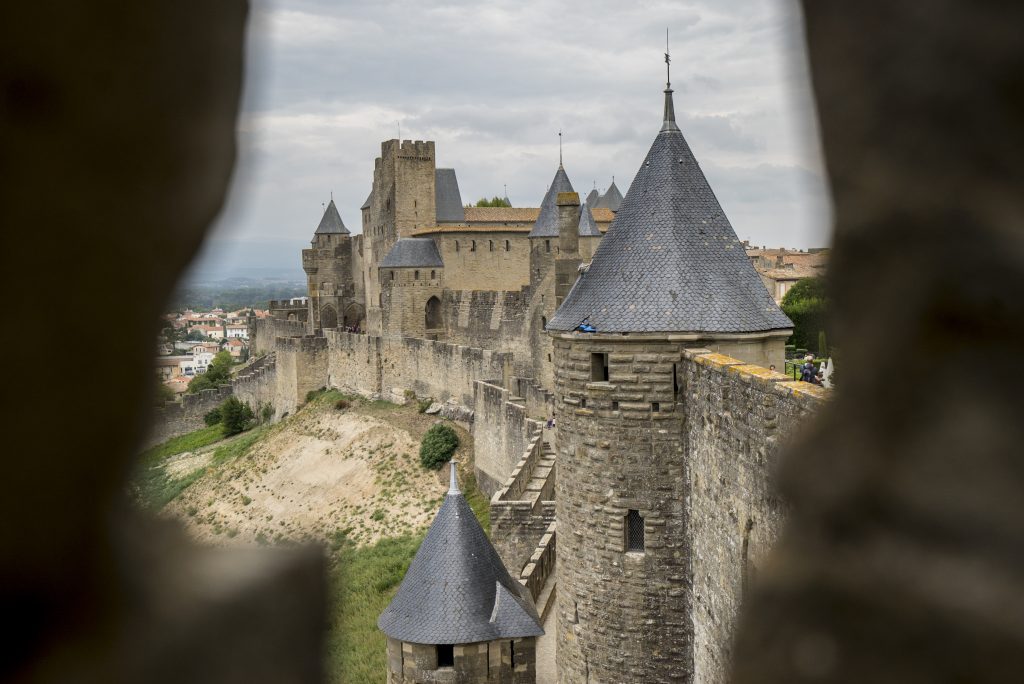
Among the favorite destinations, European castles take the spotlight. Scotland, Ireland, France, and Spain concentrate many of the places most mentioned during Halloween. Edinburgh Castle frequently appears in travelers’ comments, with stories of strange noises, damp passageways, and nighttime tours that send shivers down the spine. The same goes for Leap Castle in Ireland, where ghost stories intertwine with the brutal reality of its past.
In Spain, places like the Parador de Cardona or Belmonte Castle have gained prominence in recent years. Not only for their medieval history but because travelers want to spend the night within stone walls, listening to creaks that seem straight out of another time. Review platforms abound with phrases like “I didn’t sleep all night, but it was incredible” or “the atmosphere of the place is worth it.”
The Blend of History and Mystery
What’s interesting is that the ratings don’t focus solely on fear. Many comments highlight the cultural richness, the atmosphere, the hospitality, and the chance to learn while experiencing an eerie environment. In other words: the “terrifying” becomes added value to an already attractive tourism product.
Cities with Legends That Never Die
Beyond castles, there are entire cities that live off their aura of mystery. Salem, in the United States, is one of the clearest cases: every year, thousands of tourists immerse themselves in the tale of the 17th-century witch trials, with museums, tours, and events that fill the whole month of October. Reviews show that it doesn’t matter whether the historical content is dramatized or not: the key lies in the collective atmosphere, in the feeling of being in a place where dark history meets celebration.
Something similar happens in Prague, where ghost tours wind through Malá Strana and the Charles Bridge after sunset. Online comments emphasize both the city’s visual charm and the stories told by guides, ranging from alchemists to night apparitions. Likewise in Mexico City, where Día de Muertos transforms cemeteries and streets into stages of celebration that amaze with their blend of reverence and festivity.
Cemeteries That Are True Open-Air Museums
It’s surprising how cemeteries are increasingly appearing in tourist reviews with words like “impressive,” “unique,” or even “magical.” Père-Lachaise in Paris, Highgate in London, or Recoleta in Buenos Aires are examples where silence and monumental sculptures create an experience quite different from a typical tourist visit.
Although not all visitors seek fear in these places, Halloween often becomes the perfect moment to reinterpret them from another perspective. Reviews highlight nighttime tours, concerts, or guided visits that combine funerary art with stories of illustrious figures resting there. What might seem gloomy turns into a cultural tourism product of high value with a strong emotional component.
Hotels Where Guests Share More Than Comfort
In the world of reviews, haunted hotels are a category of their own. In the United States, the Stanley Hotel in Colorado —famous for inspiring Stephen King’s The Shining— always ranks among the favorites. Travelers share experiences ranging from photos of supposed figures to inexplicable hallway noises.
In Mexico, the Posada del Sol Hotel in Mexico City is another recurring example, full of urban legends. Meanwhile in Europe, historic properties converted into boutique hotels use these stories to offer immersive experiences: themed dinners, private visits, or simply letting travelers recount what they felt during the night.
The “Terrifying” as a Marketing Trend
The growing interest in these destinations shows how experience-driven tourism is evolving. It’s no longer just about selling a bed or a ticket, but about building a narrative. And Halloween has become the perfect stage for cities, hotels, and attractions to position their offerings around a single idea: living fear in a safe, fun, and memorable way.
This is where technology plays a key role. Tools for location intelligence and digital planning, like those developed by Smartvel, allow tourism brands to highlight temporary events (such as Halloween tours, festivals, or themed routes) alongside the practical information travelers need. It’s not about inventing the mystery, but about making it accessible to those looking for something different.
The advantage is clear: when destination content integrates both the usual (restaurants, transport, museums) and the seasonal or unexpected, the power to inspire multiplies. This way, the tourist checking where to have dinner might also discover that just two streets away there’s a nighttime tour of a historic cemetery, right in time for Halloween. That overlap of information is what turns a simple getaway into an experience worth sharing in reviews.
A Collective Map of Fear
In the end, the most “terrifying” destinations according to reviews are not an official list, but a constantly evolving map. Each comment adds a piece to the global narrative: travelers recommending, warning, sharing blurry photos, or telling excited stories. What’s interesting isn’t whether ghosts are real or not, but how the community is drawn to that blend of myth and real testimony.
Halloween, with its universal imagery, acts as a catalyst. What might be a simple historical curiosity at another time of year turns into a tourism magnet in October. And the best part is that there’s no single type of traveler: families, young couples, groups of friends, or even solo travelers all find a different connection in these experiences.
Thus, between medieval castles, monumental cemeteries, legendary cities, and hotels with unsettling reputations, a global itinerary of fear is drawn every year. An itinerary not found in traditional catalogs, but in the reviews that turn scares into memories, and anecdotes into favorite destinations.